


by Brian Everett, on Jul 27, 2026

The industry is moving more freight while producing fewer emissions per ton-mile. In fact, global trucking emissions intensity declined by 14% between 2019 and 2023, driven largely by fuel-efficiency improvements and early adoption of lower-carbon technologies, according to World Economic Forum’s 2024 Net-Zero Industry Tracker.
Yet for many for-hire and private fleets, the path forward is far from straightforward.
The trucking industry finds itself in what many experts call the “messy middle,” a period where traditional diesel equipment remains essential, emerging technologies continue to mature, and carriers must balance environmental objectives with operational realities. Success today is not about choosing a single solution. Rather, it requires a practical, multi-faceted approach that combines alternative fuels, operational excellence, and strategic expertise.
Trends in Alternative-Powered Vehicles
In today’s challenging geopolitical environment and with rising diesel prices, companies are increasingly exploring alternative fuel solutions.
 “While renewed interest in this area is promising, it’s important to recognize that developing a robust fuel strategy can take years,” says Rob McNeil, Senior Vice President, Sales & Supply Chain with TA Dedicated, a provider of truckload transportation services through a portfolio of dry van, flatbed and tanker equipment. “Organizations that have been consistently evaluating their fuel approach are now benefiting from flexible options that help shield them from the volatility of diesel prices. For those considering a transition, now is an ideal time to begin, but they should be prepared for the significant research, time, and resources required to find the right partners and solutions.”
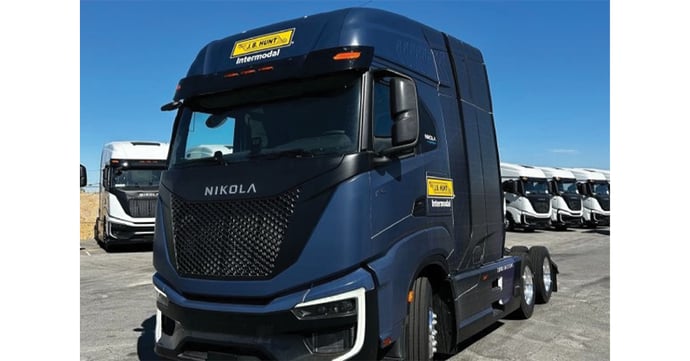 J.B. Hunt Transport Services added in 2024 20 Nikola Tre fuel cell electric vehicles for freight moving along the West Coast.
The conversation around sustainable trucking often focuses heavily on electric vehicles (EVs). In fact, 65% of medium-duty trucks and 49% of heavy-duty trucks are already electrifiable today based on real-world duty cycles, according to the North American Council for Freight Efficiency’s recently released report, Run on Less – Messy Middle, Forecasting the TCO of Powertrain Alternatives: The Messy Middle Cost. A corporate member of the Women In Trucking Association (WIT), NACFE works to drive the development and adoption of efficiency enhancing, environmentally beneficial, and cost-effective technologies, services, and operational practices in the movement of goods across North America.
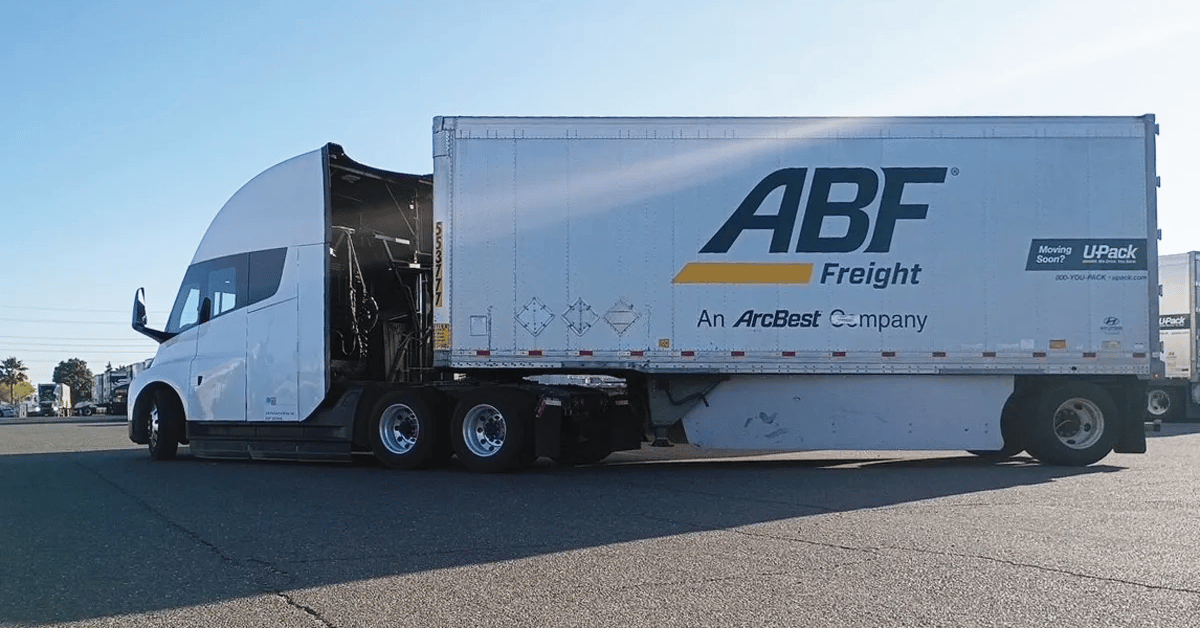 ABF Freight completed last year a 3-week pilot of a Class 8 Tesla Semi between Sparks, NV and Sacramento, CA.
EVs are becoming increasingly viable for specific applications, particularly in last-mile delivery, regional haul operations, and dedicated routes where charging infrastructure can be strategically deployed. Advancements in battery technology, charging networks, and vehicle range are expanding the use cases for electric trucks. However, widespread adoption across long-haul trucking remains constrained by infrastructure availability, charging times, vehicle costs, and range limitations. For many fleets, electric vehicles represent an important component of a broader sustainability strategy rather than a complete replacement for conventional equipment.
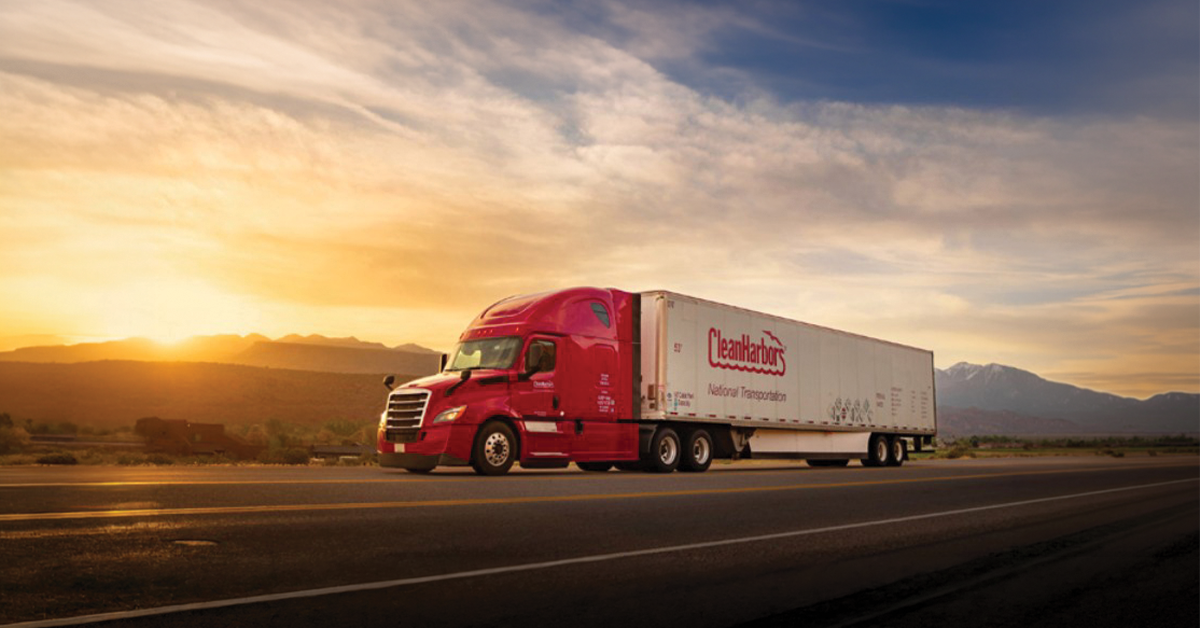 Clean Harbors maintains a Top-15 trucking fleet in North America, with 20,000+ combined fleet assets across the company.
However, the industry’s transition involves a much broader range of technologies and fuel options:
Renewable Natural Gas. RNG has emerged as one of the most viable near-term solutions for reducing transportation emissions. Produced from organic waste sources such as landfills, wastewater treatment facilities, and agricultural operations, RNG can significantly reduce lifecycle greenhouse gas emissions while utilizing existing natural gas infrastructure. For fleets operating predictable routes and returning to centralized facilities, RNG-powered trucks offer a practical pathway to sustainability without the charging infrastructure challenges associated with battery-electric vehicles.
Compressed Natural Gas Remains Relevant. CNG continues to play an important role for many regional and dedicated fleets. While not a zero-emission solution, CNG can reduce certain emissions compared to traditional diesel and provides a bridge technology for organizations seeking incremental sustainability improvements while maintaining operational flexibility.
 UPS delivers parcels in busy city centers more sustainable through use of cargo bikes.
Thriving in the “Messy Middle”
NACFE describes the current period as the “Messy Middle,” a complex transition from diesel-dominated operations to a zero-emission future. This phase is characterized by matching the appropriate technology or fuel solutions to each operational need. Customers are increasingly interested in identifying which fuel options — such as electric, RNG, CNG, biodiesel, and hydrogen — best suit their requirements, and are collaborating with partners to test and implement these alternatives.
For fleet operators, this creates complex decision-making challenges: Which technologies warrant investment today? How quickly should fleets transition equipment? How can sustainability goals be achieved without compromising service or profitability? What solutions make sense for different freight networks?
The answer for many organizations is not an all-or-nothing approach.
Instead, fleets are adopting phased sustainability strategies that combine incremental improvements with targeted investments. A carrier may deploy electric trucks for local routes, utilize RNG-powered equipment for regional operations, and continue operating highly efficient diesel equipment for long-haul freight.
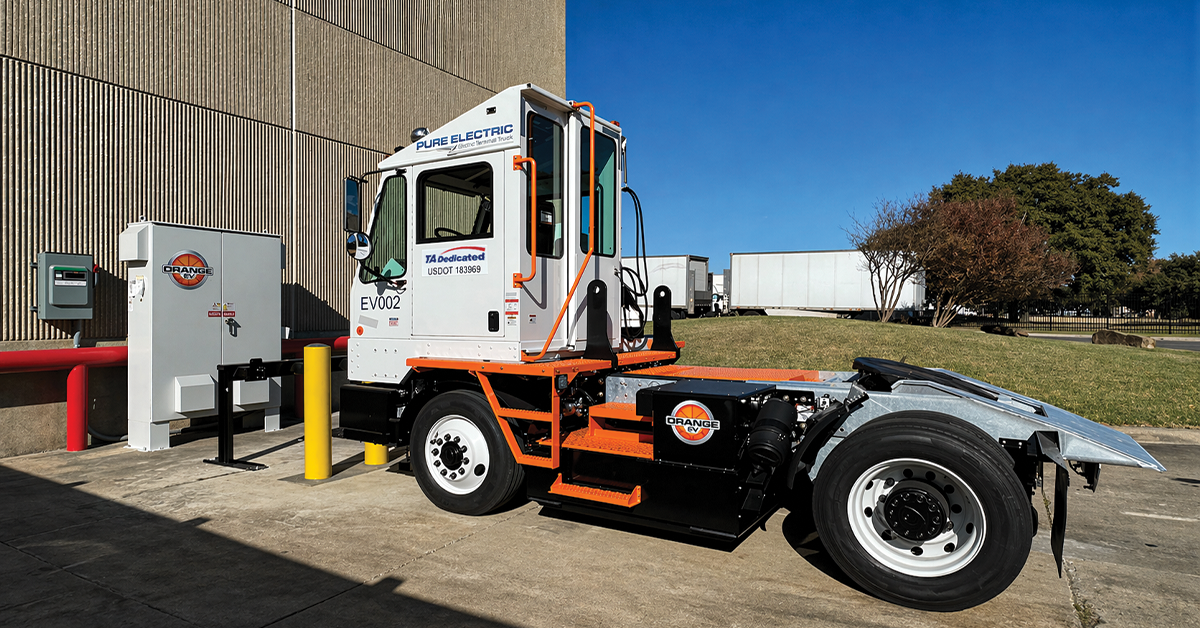 TA Dedicated is using BEV yard trucks to minimize its operations impact on the environment.
This pragmatic approach acknowledges that sustainability is a journey rather than a single technology decision.
The most successful companies are focusing on measurable progress rather than perfection. They recognize that reducing emissions today — even incrementally — can create meaningful environmental benefits while positioning their organizations for future innovations.
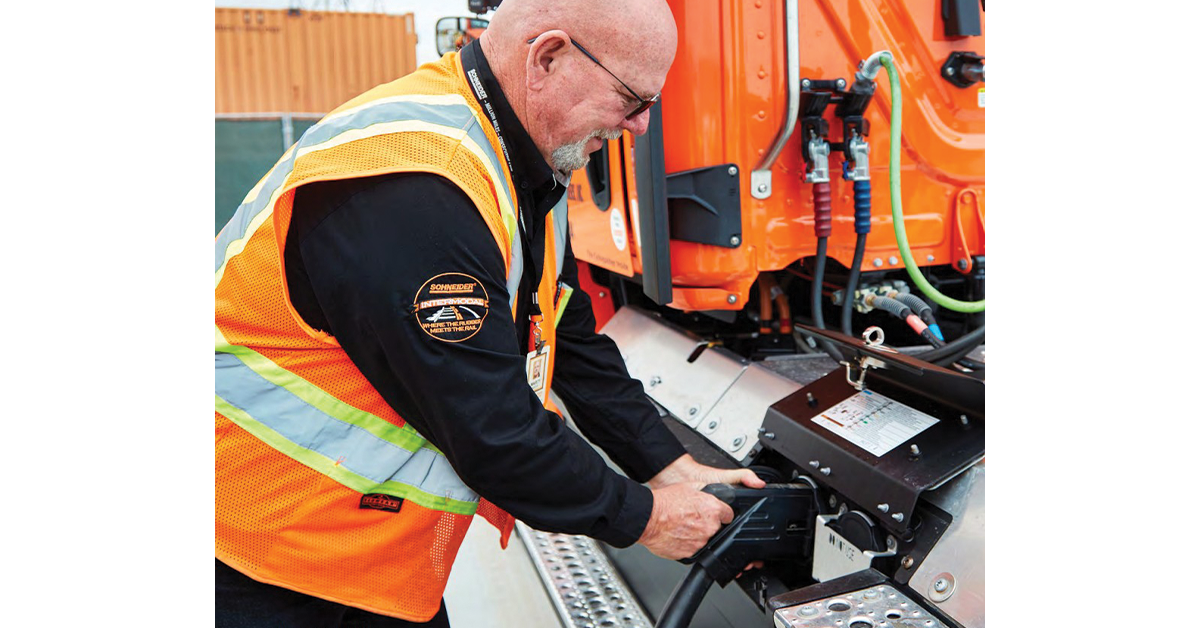 Schneider operates one of the largest battery electric vehicle fleets in North America.
Best Practices: Sustainability Starts with Better Operations
While alternative fuels and new technologies often generate headlines, some of the most impactful sustainability improvements come from optimizing existing operations. In many cases, the cleanest mile is the mile that never has to be driven.
 Fleets rely on data, analytics, and efficiency gains to justify operations and prove business value internally, notes Mike Roeth, NACFE’s Executive Director. Other strategies focus around:
Route Optimization. Advanced routing and planning technologies enable carriers to reduce unnecessary miles, improve asset utilization, and minimize fuel consumption. By leveraging real-time data, traffic intelligence, and predictive analytics, fleets can identify more efficient routes, reduce idle time, and improve delivery performance simultaneously. The result: lower emissions and lower operating costs.
Maximizing Backhaul Opportunities. Empty miles remain one of the industry’s greatest inefficiencies. Filling backhaul opportunities allows carriers to increase trailer utilization while reducing the number of trucks needed to move the same amount of freight. Strategic network planning, freight matching technologies, and stronger shipper collaboration can significantly reduce empty mileage and associated emissions. For many fleets, improving backhaul performance delivers immediate sustainability gains without requiring major capital investments.
Improving Asset Utilization. Higher equipment utilization means more freight moved with fewer resources. Leading carriers are using transportation management systems, telematics, and network optimization tools to improve trailer turns, increase load consolidation, and maximize fleet productivity. These efforts not only enhance profitability but also reduce fuel consumption and emissions per shipment.
Reducing Idle Time. Idle reduction programs continue to be one of the simplest and most effective sustainability initiatives available. Driver training, automated engine shutdown systems, auxiliary power units, and improved operational planning can dramatically reduce unnecessary fuel consumption while extending vehicle life.
“Practices such as supply chain engineering, offering driver fuel efficiency incentives, and adopting more efficient truck specifications are being closely examined to enhance operational efficiency and reduce carbon footprints,” emphasizes McNeil. “TA Dedicated has worked with many customers in the past year to improve their fuel consumption and transportation costs, namely with a health care company who optimized and consolidated their operations, resulting in fuel cost savings of 24%, an automotive OEM who saved over $600k per quarter in fuel costs, and another automotive customer who deployed battery electric yard trucks which eliminated over 28,000 gallons of diesel and avoided 74 metric tons of carbon output.”
The Road Ahead
The future of sustainable trucking will not be defined by a single fuel, vehicle type, or technology platform. Instead, it will be shaped by a combination of innovation, operational excellence, and practical decision-making.
As the industry navigates the complexities of the messy middle, fleets have an opportunity to make meaningful progress today through a balanced approach that combines alternative fuels, emerging technologies, and continuous operational improvement.
Sustainability is no longer simply about compliance or corporate responsibility. It has become a business strategy that drives efficiency, strengthens customer relationships, and positions organizations for long-term success.
For trucking companies willing to embrace both innovation and practicality, the road to sustainability is already underway.
WIT Members Lead in Sustainability Initiatives
Sustainability initiatives reduce emissions, improve fuel efficiency, lower operating costs, and ensure the industry can meet growing freight demand while minimizing environmental impact. Here are several examples of WIT members leading the way.
 ArcBest has doubled the number of electric yard tractors in its LTL network and recently collaborated with Chevron and Cummins to pilot a Cummins X15N engine in its ABF network, using renewable natural gas.
 Clean Harbors regularly reviews fleet routing to reduce the total number of miles driven and incorporates its own SKSS re-refined base oil products into vehicle maintenance programs. In 2023 alone, more than 92 thousand gallons of re-refined base oil-derived products were utilized by its fleet, avoiding nearly 500 metric tons of greenhouse gases.
 J.B. Hunt Transport Services has arguably one of the most quantifiable sustainability impacts in North American freight by converting over-the-road truck freight to intermodal rail service, reducing empty miles, and surpassing the halfway point toward its goal of reducing carbon emissions intensity 32% by 2034 from a 2019 baseline.
 Schneider became the first major carrier to surpass 6 million zero-emission miles with its battery-electric truck fleet, and integrates sustainability across operations through emissions reduction, fuel efficiency, intermodal transportation, and alternative-fuel vehicles.
 UPS operates more than 18,300 alternative-fuel and advanced-technology vehicles globally and has invested in alternative fuels for more than 20 years. The company uses RNG as a core decarbonization strategy and has reduced lifecycle greenhouse gas emissions by up to 90% compared with diesel.
Related Articles:
Like this kind of content?

As a member of the Women In Trucking Association, stay on top of emerging trends and business issues impacting transportation and logistics; learn the importance of gender diversity in the workplace and the need for more women drivers; and see best practices in encouraging the employment of women in the trucking industry. Join today! Learn More