


by Brian Everett, on Jun 15, 2026
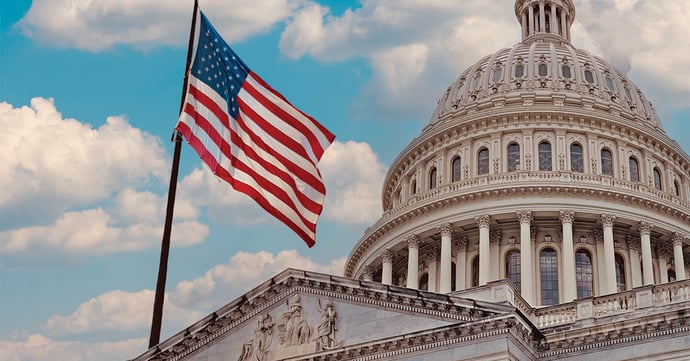
The surface transportation bill touching every corner of trucking recently cleared its first major hurdle — and the Women In Trucking Association (WIT) continues to monitor Congressional activity related to this bill closely.
The BUILD America 250 Act passed the House Transportation and Infrastructure Committee 62-2 on May 22, a near-unanimous vote that drew simultaneous praise from OOIDA and the American Trucking Associations — two organizations that sometimes do not land on the same side of policies. Better known as the Surface Transportation Reauthorization legislation and often referred to as the “Highway Bill” in the trucking industry, this five-year authorization replaces existing surface transportation legislation that expires Sept. 30, 2026.
Critical Priorities Important to the WIT Community
The House legislation included three important priorities to the WIT community for which the association has advocated:
- Truck Parking. The parking section expands Jason's Law, the federal funding framework named after Jason Rivenburg, who was murdered in 2009 while parked at an abandoned gas station. The expansion of the bill’s provisions includes a federal survey of truck parking availability, allows for new truck parking capacity on federal highways, and state and local government eligibility for truck parking grants. The Highway Bill gives the Department of Transportation (DOT) authority to make grants for commercial vehicle parking to state and local governments, and to private entities partnering with the government. New parking can go on federal highways, inside freight facilities, or onto existing infrastructure like weigh stations. These provisions are all considered positive given WIT’s position over the past several years on the important issue of lack of truck parking availability.
- Restroom Access. Professional truck drivers are granted new rights to bathroom access for "covered establishments." Section 5102 mandates that commercial motor vehicle operators must be granted access to restrooms at any covered establishment where they're delivering goods or waiting for cargo to be loaded. The rule applies to shippers, receivers, manufacturers, warehouses, and distribution centers (DCs). Drayage gets its own line: terminal operators must provide sufficient restrooms in areas drayage drivers typically access. WIT has actively supported this issue over the past several years, according to Jennifer Hedrick, CAE, President and CEO of WIT. “Given basic human needs of truck drivers, servicing shippers and receivers should not be denied access to bathroom facilities and the language in this legislation makes sure they won't be."
- Pre-Employment Screening. This provision gives new authority to potential employers (for-hire motor carriers and companies with private fleets) new rights to access safety records for prospective and current drivers. This has been a long-standing WIT legislative priority.
 "Several provisions included in the House-passed Highway Bill address issues that are critically important to many Women In Trucking Association members and have the potential to improve operational efficiency, productivity, and safety across the industry," says Hedrick. "While WIT is not a lobbying organization, we’re closely monitoring legislative developments that affect the trucking workforce and the companies that employ them. We are encouraged to see attention being given to these important issues and will continue to follow the bill's progress as it moves through Congress."
Additional Considerations to the Transportation Bill
The regulatory implications stretch well beyond these three provisions. Sean Duffy, the U.S. Secretary of Transportation, must finalize broker and freight forwarder qualification rules within two years — a reform the Transportation Intermediaries Association (TIA) has pushed for more than a decade.
In addition, lease agreements between carriers and independent owner-operators will require new disclosure forms covering weekly compensation, average mileage, driver schedules, deduction breakdowns, and data on how many drivers fulfill versus exit their leases. The Highway Bill specifically targets "predatory leases," a term the legislation applies broadly to situations where the carrier controls the driver's work, compensation, and debts while the driver accrues no equity.
Additional provisions commission a DOT study on cabotage violations, revisit ELD regulations, create a committee to review cargo theft, and extend the safe driver apprenticeship program. The Senate Environment and Public Works committee has not yet released its version of the bill, but industry observers expect that text in the coming months.
So What Happens Next?
 "While the House's passage of the Highway Bill represents an important milestone, it is only one step — albeit a significant one — in a much larger legislative process that still includes a number of variables," says Tom Jensen, WIT’s Government Affairs Advisor. "There is considerable work ahead as the bill moves through Congress, and several key issues affecting the trucking industry will continue to be debated and refined throughout the remainder of the year. WIT will be closely monitoring developments and their potential impact on our members and the industry as a whole."
In the meantime, given this Highway Bill touches nearly every segment of trucking operations, what should WIT members and key stakeholders in the trucking industry be doing to prepare if this legislation is ultimately approved by Congress?
If you’re a for-hire carrier or company with a private fleet that could be impacted by the truck parking shortage, you should continue to incorporate best practices and parking solutions into your operations to avoid consequences in safety, productivity, driver retention and operating costs.
If you’re a shipper or company with DCs or terminals within your network, assess your facility's restroom access for inbound drivers before this becomes law. The bathroom mandate applies whether you're a manufacturer or a DC, and existing facilities don't necessarily need to be modified — access just cannot be denied.
Lastly, while expanded access to driver safety records can help carriers or private fleets make more informed hiring decisions and strengthen highway safety, it is equally important that companies with professional truck drivers give them access to accurate information, fair evaluation processes, and opportunities to demonstrate improvement throughout their careers. Take steps to continue to be an “employer of choice” in a market where quality truck drivers are in high demand.
In short, get ahead of all the implications of this new Highway Bill before the rulemaking clock starts ticking.
Related Articles
- Women In Trucking Association Applauds Bipartisan Bill to Allow Truck Drivers Access to Restroom Facilities
- WIT Supports Trump Administration’s Truck Parking Program
- Truck Parking Crisis: Defining the Problem, Measuring the Impact, Driving Solutions
Like this kind of content?

As a member of the Women In Trucking Association, stay on top of emerging trends and business issues impacting transportation and logistics; learn the importance of gender diversity in the workplace and the need for more women drivers; and see best practices in encouraging the employment of women in the trucking industry. Join today! Learn More